Mido Ocean Star 200: Under the Radar, Over-Delivering
Mido Ocean Star 200: Under the Radar, Over-Delivering
As an Amazon Associate, I earn from qualifying purchases.
Some watches arrive with a press release, a celebrity ambassador, and a three-year waiting list. Others just sit there on the wrist, performing flawlessly, asking very little, and making you wonder why they do not get talked about more. The Mido Ocean Star 200 belongs firmly in the second camp. It is a Swiss automatic dive watch that rarely appears in flashy advertising, yet consistently outperforms expectations when you actually spend time with it.
We wore this watch for several weeks across everyday office use, a weekend trip, and a few open-water swims. What follows is an honest account of what it is like to live with one.
As an Amazon Associate, I earn from qualifying purchases.
Some watches arrive with a press release, a celebrity ambassador, and a three-year waiting list. Others just sit there on the wrist, performing flawlessly, asking very little, and making you wonder why they do not get talked about more. The Mido Ocean Star 200 belongs firmly in the second camp. It is a Swiss automatic dive watch that rarely appears in flashy advertising, yet consistently outperforms expectations when you actually spend time with it.
We wore this watch for several weeks across everyday office use, a weekend trip, and a few open-water swims. What follows is an honest account of what it is like to live with one.
First Impressions on the Wrist
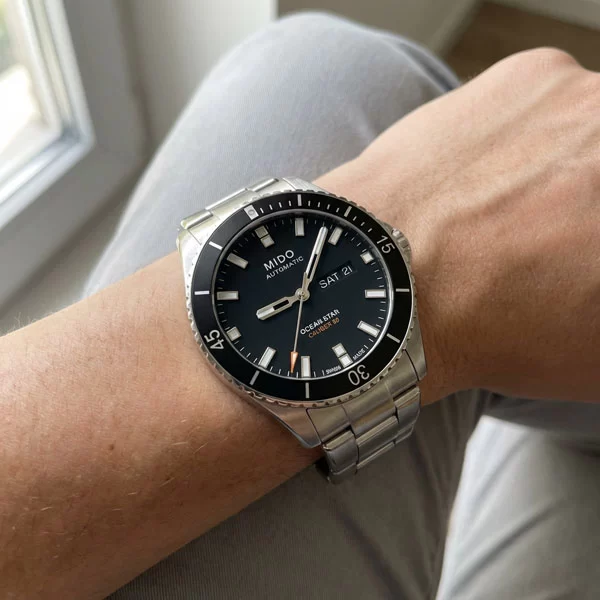
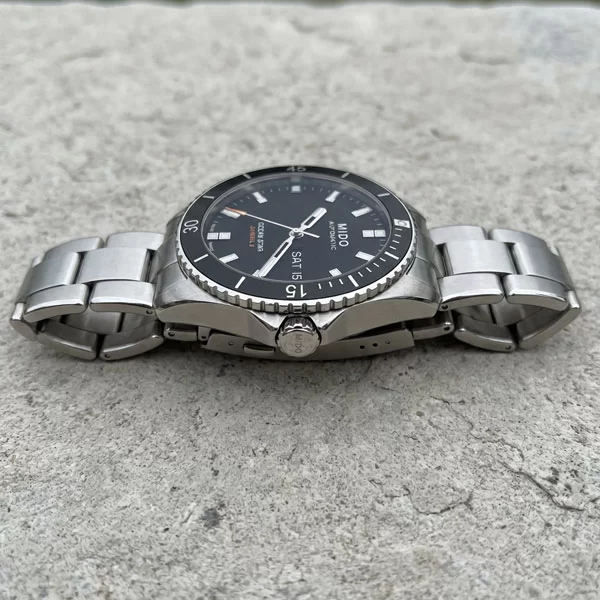
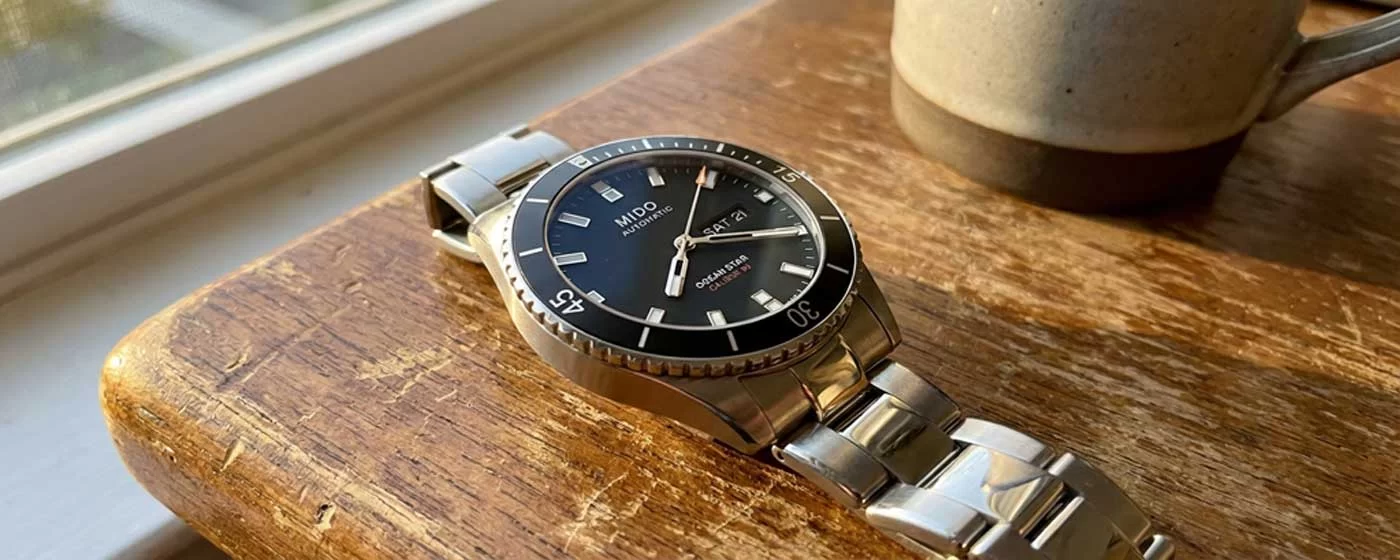
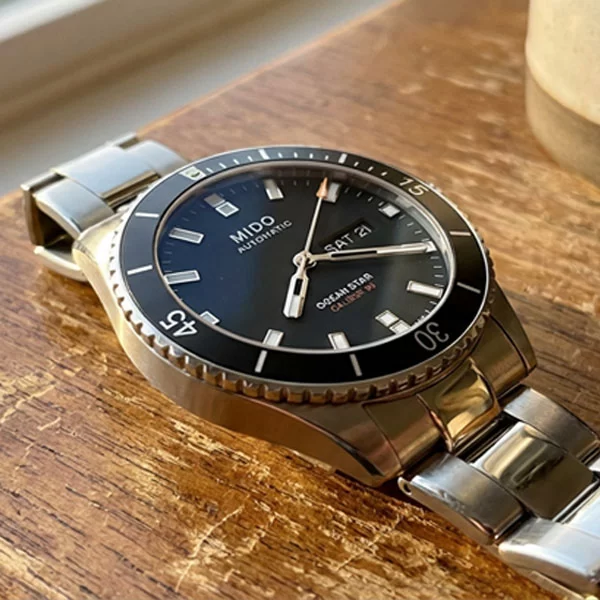
Out of the box, the Ocean Star 200 reads as clean and purposeful. There is nothing here trying to be clever. The 42.5 mm case arrives polished across the lugs and brushed across the flanks, a combination that avoids the flat, industrial look of a fully brushed diver while stopping short of anything too dressy. In hand, the case feels solid. Reassuringly heavy, but not oppressive.
On the wrist, the experience genuinely surprised us. At roughly 11.8 mm thick, this is a slimmer diver than the case diameter suggests. It slides under a shirt cuff with only mild resistance, which is more than most 42 mm divers can claim. The bracelet curves naturally along the wrist, and within a minute, we had stopped noticing the watch in the way you sometimes notice a new, bulky piece strapped to your arm.
Still, context matters. The lug span sits at approximately 49 mm. Dial aperture is wide and assertive. On a 16 to 17 cm wrist, the watch sits with authority but not aggression. Below that, smaller wrists may find it slightly overwhelming, particularly given how much open real estate the dial presents. We would encourage a wrist-on before buying if you are in the 15 cm range.
The Dial: Restrained or Boring?
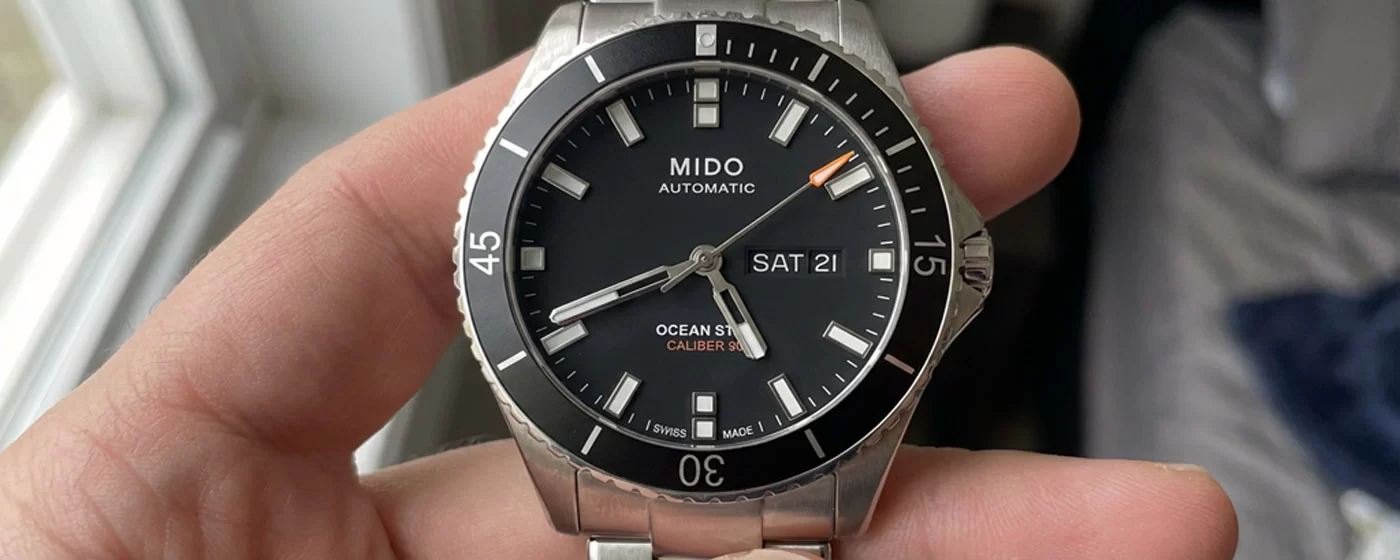
Honest answer: a bit of both, depending on your temperament. The black dial with applied stainless indices is clean and functional. Double markers at six and twelve orient you immediately. The minute track on the outer ring is crisp and readable, and the skeletonised handset catches light in a way that adds subtle visual depth without feeling theatrical.
However, if you crave a watch with a strong visual personality, the black Ocean Star 200 may leave you cold. There is no texture, no colour accent, no date wheel drama. The day-date aperture at three o’clock is neatly integrated, with matching disc colours on this configuration that avoid the jarring contrast you sometimes see on other variants. It all works. It just does not sing.
Legibility in Practice
Legibility, on the other hand, is genuinely strong. The handset is sized appropriately for the dial, the contrast between the lume-filled markers and the dark background is high, and in normal light conditions, a glance gives you the time instantly. Underwater, visibility held up well at recreational depths. As for the lume performance after dark, it is competent rather than exceptional. The charge lasts a long time and glows a cool blue, but the initial brightness falls short of what you might expect from Seiko at a similar price point. For a swimmer or snorkeler, this will not matter at all. For a technical diver operating in total darkness, it is worth noting.
The Case for the Caliber 80
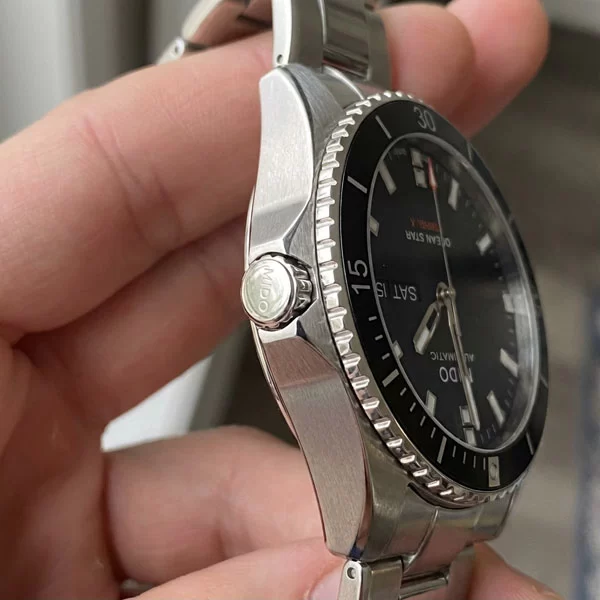
The Caliber 80 is, for our money, the single most compelling argument for buying this watch. Eighty hours of power reserve in a mid-four-figure diver is not standard, and the practical benefit is real. Skip Friday, wear something else Saturday, come back Sunday evening, and the watch is still running. No resetting, no crown-winding ritual, no apologetic flicker on Monday morning.
The movement runs at 21,600 vibrations per hour, slower than many modern automatics. That trade-off is entirely acceptable here. In our time with the watch, timekeeping was excellent, consistently within a small window of gain per day. One long-term owner we referenced reported roughly +18 seconds over four weeks, which works out to under a second per day. For a non-chronometer movement at this price, that is a legitimate achievement.
The movement is based on the ETA C07.621 platform, which means servicing is straightforward, parts are accessible, and long-term ownership costs should be reasonable. That is not glamorous information, but it matters.
Bracelet and Clasp: The Surprise Hero
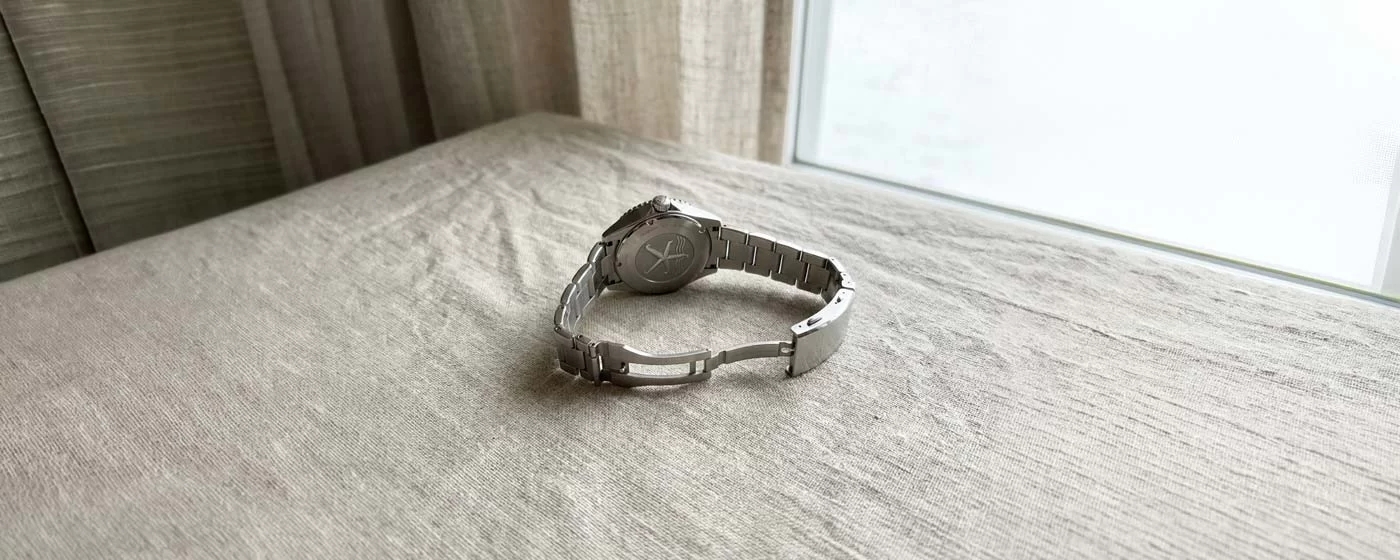
We were not expecting much from the bracelet. At this price point, bracelets are often the first place corners get cut, and dive watches in particular tend to come paired with chunky, rattly metal straps that feel fine for the first week and weary after that.
This is not that bracelet.
The three-link construction is solid throughout. Links are screwed, not pinned, which both extends longevity and is increasingly rare below a certain price threshold. The curved solid end-links sit flush against the case in a way that contributes meaningfully to the comfortable wrist feel. There is no play, no hollow-sounding flex, no uncomfortable edge catching skin on the underside.
A Clasp Worth Discussing
The folding clasp is where Mido quietly impresses most. It features a double push-button release, a diver’s wetsuit extension, and a sliding micro-adjustment that lets you dial in fit to within a millimetre or two without tools. In practical terms, putting the watch on before a swim, adjusting for a wetsuit, and resizing after a long flight, none of it requires a watchmaker. It just works, repeatedly, without feeling flimsy.
By contrast, some Swiss divers at significantly higher price points still use three or four fixed-position adjusters and a simpler fold-over clasp. The Ocean Star 200 clasp, in terms of pure daily-use functionality, compares favourably. That is not hyperbole. It is one of the first things our team noticed and kept coming back to.
Water Resistance and Real-World Use
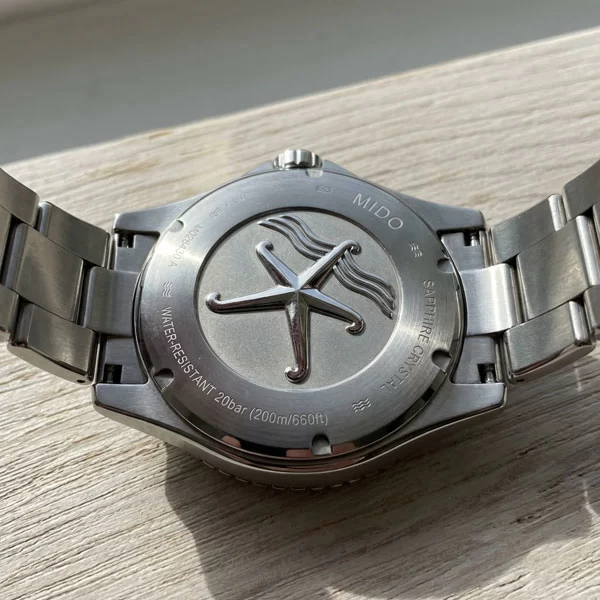
200 metres of water resistance with a screw-down crown and screw-down caseback is a genuine tool-watch specification. For recreational swimmers, snorkelers, and casual divers, it is more than enough margin. The unidirectional rotating bezel works as it should: smooth enough to set, resistant enough to stay put. Our only gripe is that the aluminium insert shows light scratches after relatively modest daily use. A ceramic insert would hold up better over the years of ownership.
In the water, the watch is clearly confident. The sapphire crystal with double-sided anti-reflection coating gives excellent visibility into the dial even in bright underwater conditions. That same coating, however, is exposed on the exterior and can accumulate fine scratches over time. Worth knowing before you treat this as a pure beater tool watch.
Full Technical Specifications
| Specification | Detail |
|---|---|
| Reference | M026.430.11.051.00 |
| Case Material | 316L stainless steel |
| Case Diameter | 42.5 mm |
| Case Thickness | ~11.8 mm |
| Lug Width | 22 mm |
| Lug to Lug | ~49 mm (owner reported; not officially published) |
| Crystal | Flat sapphire, double-sided anti-reflection |
| Bezel | Unidirectional rotating, aluminium insert |
| Crown | Screw-down, with integrated crown guards |
| Caseback | Screw-down solid steel, engraved Ocean Star logo |
| Water Resistance | 200 m / 20 bar |
| Dial Colour | Black |
| Lume | Super-LumiNova on hands and indices |
| Calendar | Day and date at 3 o'clock |
| Movement | Mido Caliber 80 (base ETA C07.621), automatic |
| Frequency | 21,600 vph (3 Hz) |
| Power Reserve | Up to 80 hours |
| Jewels | 25 |
| Bracelet | Stainless steel three-link, screwed construction |
| Clasp | Folding deployment with diver's extension and micro-adjust |
| Weight | ~187 g on bracelet |
| Country of Origin | Swiss Made |
How It Compares to the Competition
The Ocean Star 200 does not exist in a vacuum. Longines, Tissot, Oris, and Seiko all compete in this space with credible offerings. Below is a summary of how we see the landscape.
| Model | Reference | Case Size | Water Resistance | Power Reserve | Bezel Insert | Notable Advantage | Price |
|---|---|---|---|---|---|---|---|
| Mido Ocean Star 200 | M026.430.11.051.00 | 42.5 mm | 200 m | 80 hours | Aluminium | Best bracelet/clasp in class; long reserve; slim profile | |
| Longines HydroConquest | L3.781.4.56.6 | 41 mm | 300 m | 72 hours (L888) | Ceramic | Higher WR; stronger brand prestige; ceramic bezel | |
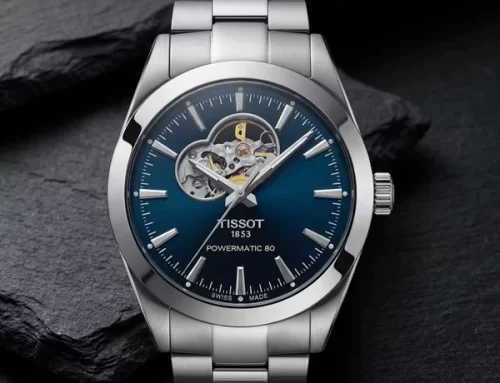
| Tissot Seastar 1000 Powermatic 80 | T120.407.11.051.00 | 43 mm | 300 m | 80 hours | Ceramic | Higher WR; ceramic bezel; aggressive modern styling | |
| Seiko Prospex SPB143J1 | SPB143J1 | 42 mm | 200 m | 70 hours | Hardlex (acrylic inner) | Best lume output; strong tool-watch heritage; Japanese character |
Low four-figure |
Against this group, the Mido’s story is consistent: strong movement spec, superior bracelet and clasp execution, and a slimmer profile than most, but giving up ceramic bezel durability and a hundred metres of water resistance to its Swatch Group stablemates. Neither trade-off is necessarily a dealbreaker, but buyers who plan to use the bezel hard over many years should factor it in.
Furthermore, Longines and Tissot carry stronger name recognition in non-enthusiast circles. If you are buying a watch partly to be recognised as a quality Swiss timepiece by people who are not watch fans, the HydroConquest or Seastar might serve that function more reliably. The Mido’s appeal is more internal. It rewards the buyer who has done their research.
Who This Watch Is Really For
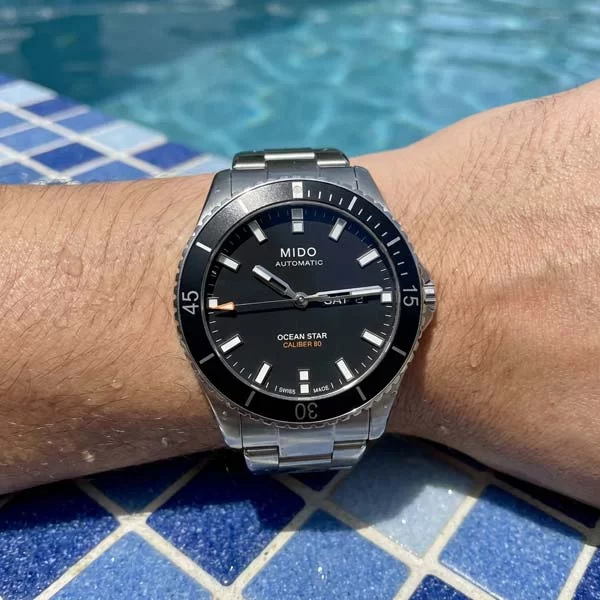
The Ocean Star 200 is a watch for people who have looked at the specification sheet, looked at the price position, and wondered whether they are missing something. They are not. This watch delivers exactly what it promises: a Swiss-made automatic diver with a long-reserve movement, serious water resistance, a refined bracelet, and an understated design that earns respect without demanding attention.
In addition, the day-date complication, 80-hour reserve, and slim case make it arguably the most practical choice in the category for someone who wants a single versatile watch they will actually wear every day rather than keep for special occasions. The Ocean Star 200 handles a Tuesday in the office and a Saturday in the sea without complaint or pretension.
However, not every buyer will connect with it. The black dial configuration lacks colour, texture, or vintage warmth. Collectors who measure emotional engagement in terms of dial drama, bezel character, or brand storytelling will find more to connect with elsewhere, including within Mido’s own collection. This is the pragmatist’s pick. It is not the romantics.
Moreover, buyers for whom brand recognition is part of the appeal should weigh that honestly. Mido is a well-regarded Swiss brand with real horological credentials, but it will not generate comments from non-enthusiasts in the way a Longines or an Omega would. If that matters, it is useful to know going in rather than discovering it later.
Good Watch. But How Does It Hold Up Against the Rest?
The Mido Ocean Star 200 is a genuinely strong value proposition at its price position. The Caliber 80 movement provides a real practical advantage. The bracelet and clasp system competes with pieces at considerably higher prices. The case sits slimmer and more comfortably than the diameter suggests. For a buyer who wants a capable, no-nonsense Swiss diver that rewards daily use over shelf time, this is one of the most sensible choices in the segment.
Its weaknesses are real but modest: an aluminium bezel insert that scratches with honest use, an external AR coating that is similarly vulnerable, lume that is good but not class-leading, and a size that will not flatter every wrist. None of these is a dealbreaker. They are simply the cost of entry at this price point, and most competitors in the category carry similar or greater compromises elsewhere.
Overall, the Ocean Star 200 does not need a press release or a waiting list. It just needs to be worn. And once it is on the wrist, it makes its own case rather effectively.
Recommended for: Value-driven enthusiasts, everyday diver seekers, practical buyers who rotate multiple watches and value long power reserve, swimmers, and casual divers.
Think carefully if: You wear a wrist under 15.5 cm, you prioritise ceramic bezel durability, you want a diver with strong visual character or retro appeal, or brand recognition among non-enthusiasts matters to you.